School Trips to the Racetrack: How Go-Karting Teaches Teamwork and Focus
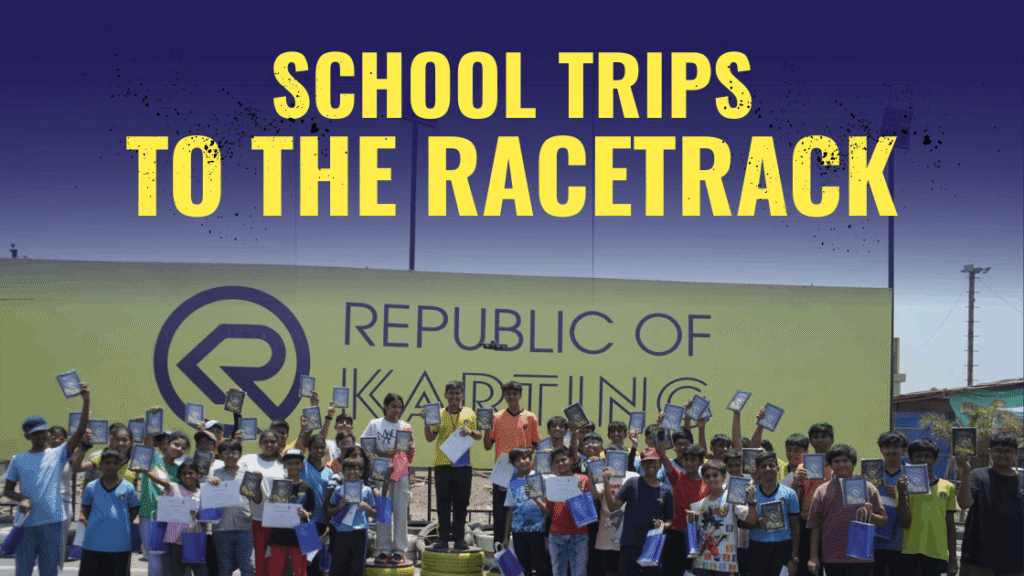
School Trips to the Racetrack: How Go-Karting Teaches Teamwork and Focus The best school trips don’t feel like lessons. They feel like experiences. Yet students return having learned something meaningful. Go-karting fits perfectly into that space. Instead of classrooms and worksheets, students step into helmets and racing seats. Instead of lectures, they get real-time feedback from the track. The environment changes, but the learning doesn’t stop. It simply becomes more engaging. On a go-karting track, focus is non-negotiable. Every lap demands attention. Miss a braking point or lose concentration, and the kart immediately shows you why being in control matters. Students learn quickly that being present is not optional. The feedback is instant, clear, and honest. There’s no room for distraction when you’re racing. This kind of focus is difficult to teach in a classroom. On the track, it happens naturally. Students realise that small mistakes have visible consequences. They begin to anticipate turns, plan their movements, and stay alert throughout the session. Over time, this awareness builds a habit of concentration that extends beyond the race. Teamwork Without Being Told Teamwork develops naturally in a karting environment. Students wait their turn, listen carefully to safety briefings, and follow track rules. They support each other, cheer for classmates, and exchange tips between sessions. No one has to instruct them to collaborate. The environment encourages it. Unlike traditional group activities where roles are assigned, karting allows teamwork to emerge organically. Students observe each other’s driving styles. Some focus on speed, others on consistency. They start sharing strategies. “Brake earlier here.” “Take the outside line there.” These conversations feel casual, but they build communication skills. At Republic of Karting, school groups often rotate between simulation and real track sessions. This creates opportunities for discussion, analysis, and shared improvement. Students begin to understand that progress happens faster when knowledge is shared. Discipline That Feels Fair Karting also introduces structure in a way students respect. Helmets, flags, marshals, and safety protocols teach discipline without lectures. Students understand that freedom and fun come with responsibility. Track rules are simple but strict. No bumping. No reckless driving. Follow signals. Respect other racers. These guidelines mirror real-world rules, but students accept them more readily because they see their purpose immediately. This kind of discipline doesn’t feel imposed. It feels logical. Students learn that boundaries exist to protect everyone. They begin to self-regulate instead of waiting for correction. That shift builds maturity. Confidence Through Action Confidence is one of the most noticeable outcomes of karting-based school trips. Many students step onto the track unsure of themselves. Some hesitate to accelerate. Others worry about making mistakes. A few laps later, something changes. They realise they’re capable of more than they thought. They trust their reflexes. They understand their limits. They start improving. This confidence feels earned because it comes from direct experience. Not praise. Not grades. Just progress. Students see their lap times improve. They feel smoother. They feel in control. That sense of achievement carries beyond the racetrack. For many students, karting becomes their first experience of managing real pressure successfully. Emotional Control Under Pressure Another important lesson karting teaches is emotional control. Racing triggers excitement, frustration, and competition. Students learn to manage all three. They discover that anger leads to mistakes. Overconfidence leads to spins. Panic leads to poor decisions. Calmness leads to consistency. This emotional awareness is rare in typical school activities. On a karting race track, emotions affect performance instantly. Students learn to breathe, reset, and focus again. These skills are transferable to exams, sports, and even social situations. Learning Through Structure and Strategy Advanced school programs at Republic of Karting include structured workshops where students learn: Racing line theory Attack and defence techniques Basic race strategy Simulation-based training Team endurance races These sessions transform karting into an educational framework. Students don’t just drive. They learn why certain techniques work. They test theories. They reflect on outcomes. Strategy sessions teach students to think long-term. They understand how consistency beats aggression. How resource management matters. How patience often leads to better results. This kind of thinking mirrors problem-solving skills used in academics and leadership. Why Go-Karting Works for Schools As a school outing, go-karting channels energy in the right direction. Instead of suppressing enthusiasm, it focuses on it. Students stay engaged, active, and alert throughout the experience. It avoids the two extremes common in school trips: Activities that feel too educational Activities that feel too chaotic Karting sits in the middle. Structured. Fun. Competitive. Safe. It appeals to different personality types. Quiet students find focus. Competitive students find challenge. Social students find interaction. Everyone finds a role. Beyond a One-Day Trip The real impact of karting-based school programs appears after the event. Students return with shared stories, inside jokes, and collective memories. They reference races. They remember mistakes. They remember improvements. Those memories strengthen peer relationships. They also associate learning with positive experiences. That’s a rare outcome in modern education. A Modern Approach to Student Development For schools looking to combine fun with learning, go-karting offers something unique. It teaches focus, teamwork, discipline, emotional control, and confidence in a way students genuinely enjoy. It removes pressure while increasing responsibility. It replaces passive learning with active experience. And it proves that education doesn’t always need a classroom to be effective. At Republic of Karting, school programs across Virar, Nashik, Mumbai, Ahmedabad, and Indore are designed specifically around this philosophy. Students don’t just race.They grow.